

"When efficiency and precision matters"
www.africansurveyors.com
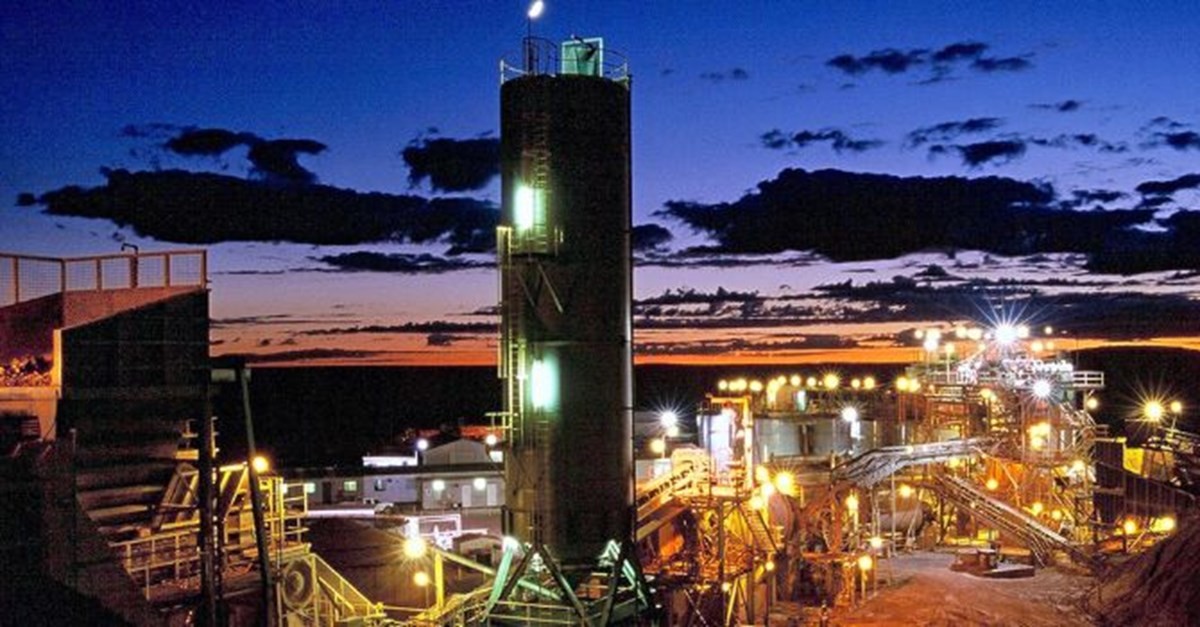
Gold mining isn't just about extraction; it's a meticulous process that transforms raw ore into pure gold. Understanding the intricacies of a gold ore processing plant reveals the blend of geology, engineering, and technology involved.
The process begins with crushing, where large chunks of ore are reduced to manageable sizes using crushers. This step is crucial to expose the gold particles embedded within the rock.
Post-crushing, the ore undergoes grinding in mills to achieve a fine consistency. This increases the surface area, facilitating better extraction of gold during subsequent processes.
Various methods, including gravity separation and flotation, are employed to separate gold from other minerals. These techniques exploit differences in density and chemical properties to isolate gold particles.
In this phase, chemicals like cyanide are used to dissolve gold from the ore. The gold-laden solution is then absorbed onto activated carbon, a process essential for gold recovery.
The gold is stripped from the carbon through elution and then recovered from the solution via electrowinning. This results in the deposition of gold onto cathodes, ready for smelting.
Finally, the gold is melted in furnaces and poured into molds to produce bars of pure gold, completing the transformation from ore to refined metal.
Modern gold ore processing plants incorporate advanced surveying methods to enhance efficiency:
A gold ore processing plant is a complex integration of mechanical, chemical, and surveying processes. Each stage, from crushing to smelting, is meticulously designed to maximize gold recovery while ensuring safety and efficiency.