

"When efficiency and precision matters"
www.africansurveyors.com
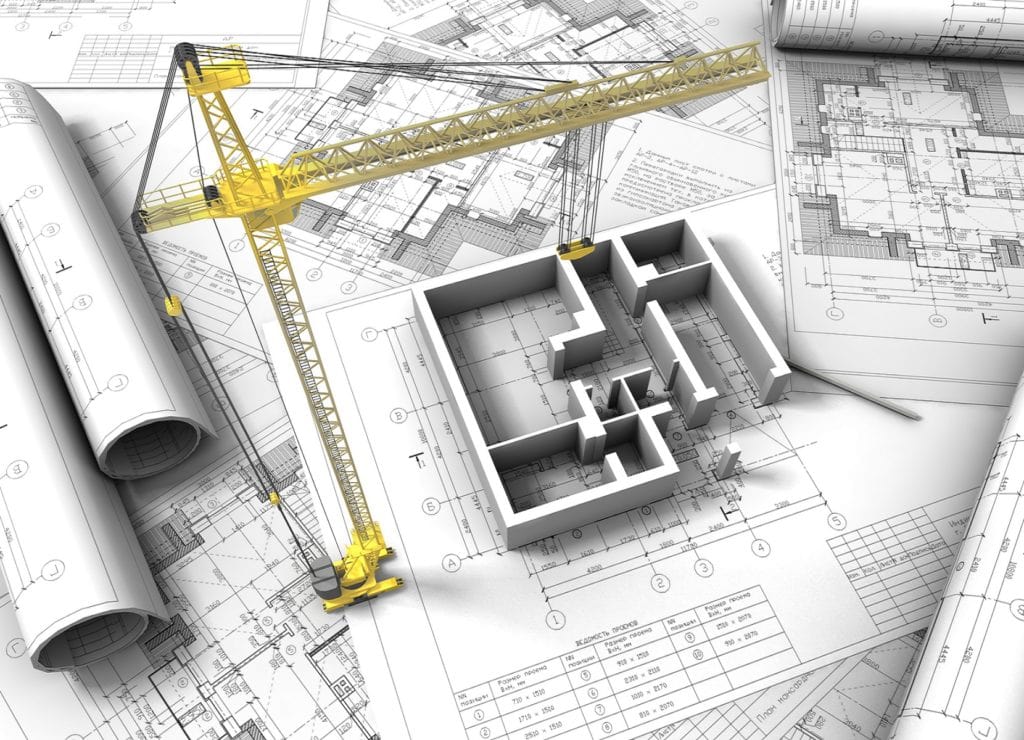
"Modern construction is 10 × more precise than twenty years ago," an engineering surveyor told me last month—and it’s true. 3D modelling in construction is not just a buzzword; it’s the tool rewiring our entire approach from foundation to finish!
Imagine turning flat plans into immersive simulations. That’s what 3D modelling in construction does. It takes 2D drawings and transforms them into digital structures you can walk through, simulate under stress, and refine before a single brick is laid.
This transformation blends multiple techniques. We’re talking BIM, parametric modelling, NURBS, CAD—all working together. Add real-world data from online lidar maps and 3d scanning engineering, and you’ve got a system that’s rooted in reality and rich in detail.
3D CAD modelling gives precise views of walls, columns, and beams. BIM integrates geometry with metadata—useful for scheduling, maintenance, and lifecycle analysis. Parametric modelling? That’s your design’s intelligence—change a parameter and the model adapts dynamically.
Smooth curves, intricate façades—NURBS modelling renders them beautifully. Wireframes keep it lean, focusing on structure edges. Both have their place depending on your project ambition and complexity.
Before ground is broken, 3D modelling in construction allows engineers to simulate water flow, site terrain, and material requirements using geospatial technology and the role of location in science. We map everything. We calculate volumes. We do clash detection. We avoid surprises.
When structures go up, drones capture aerial topography. We overlay those scans back into our 3D model to locate deviations instantly. Suddenly, rework halts. Delays disappear. Stakeholders can virtually visit the job site—saving time and reducing travel.
3D as-built models become living documents. Down the road, modifications or retrofits? We revisit the model. We simulate scenarios. We’re ahead of disruption, not chasing it.
In structural 3D modelling, we test stuff. Weight. Wind. Earthquake loads. Temperature. Pressure. These virtual simulations ensure that beams won’t sag, ceilings won’t crack, floors won’t quake. We shape safe, resilient buildings by design.
These models are shared. Architects, structural engineers, builders—they all see the same evolving model. Conflicts between systems are resolved early. Everyone has a single source of truth.
From Autodesk Revit and Rhino with Grasshopper to advanced CAD suites, the software powers our vision. It’s not about flash—it’s about function. These platforms let us model, analyze, and annotate. They’re the digital foundation for every project.
When paired with online lidar maps and lidar services, those platforms ingest real-world scans. Our models become living maps—always in sync with reality through geospatial inputs and survey data.
In industrial sites, like gold ore processing plant facilities or process plant technology hubs, 3D modelling in construction ensures complex piping, conveyors, reactors, and utilities fit perfectly. We arrange layouts digitally first. Field changes are rare. Commissioning is precise.
Fewer overruns. Lower material waste. Improved scheduling. Clients see budgets met, milestones hit, and quality delivered. It’s not theory—it’s results.
Project walkthroughs are no longer tinted with uncertainty. Clients navigate 3D environments. Contractors align efforts. Decisions are informed, not speculative.
AI is learning our models. It’s detecting clashes. It’s optimizing layouts. Soon, we’ll see autosuggested designs, predictive maintenance plans, and error detection—all before a shovel hits the ground.
For us to lead this evolution, firms must train teams. Surveyors and engineers need hands-on in geospatial analytics, drone ops, and 3D software workflows. Investing in your people is investing in your future.