

"When efficiency and precision matters"
www.africansurveyors.com
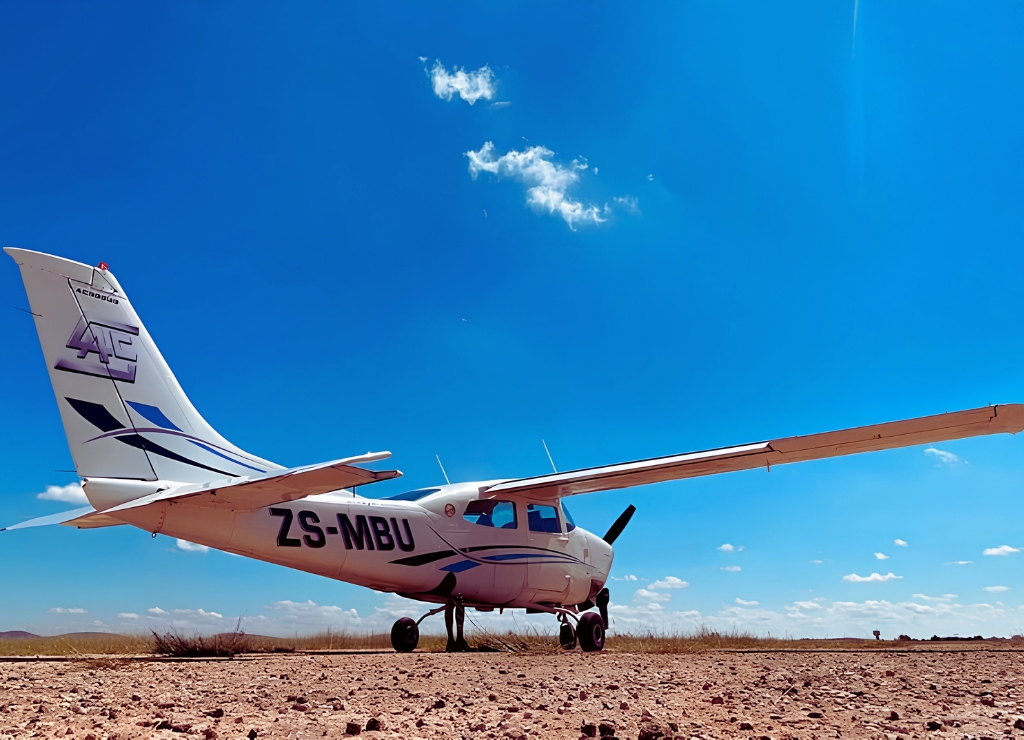
LiDAR, put extremely simply, is a means to measure the distance from one point to another. While simple in the above definition, the uses of LiDAR have developed, grown and proven to be irreplaceable as a means of surveying large areas, positioning oneself, reducing the need for site visits by personnel, as well as improving the resolution of data gathered from the site of interest.
How has LiDAR scanning become the industry standard for surveys? The history of survey is a checkered and complex ongoing battle to accurately place oneself or one’s property on the globe. What started as trying to estimate a route or position using the placement of the stars, has burgeoned into a determined effort to effectively map every millimetre of not just the planet we call home, but everything we can see. While chartering new oceans a mere three centuries ago demanded only a sextant and several kilometres of accuracy, demands for sub centimetre and even millimetre accuracy, with shorter turnaround time no less, have grown out of a need to be ever more efficient and conscious of the resources we use as we continue to grow as a species. Tolerances for construction, quantity of materials and resource expenditure in just about every avenue in today’s world is tighter than it was yesterday. How do we prevent these tolerances from hampering humankind’s advancements? One may argue LiDAR surveying methodologies consider exactly this.
LiDAR makes use of extremely high-quality scanning techniques, mirror lens innovations, and satellite data (an ever-improving technology) to produce a theoretically infinite amount of data returns of the features being scanned – whether from the ground or the skies above. The above techniques can generate data that is anywhere from sub-metre to sub-millimetre accuracy – entirely dependent on the needs of your project and the method of capture. Regardless of exact accuracy, resultant scans can be used by an ever-growing list of users and service their specific needs. Asset management, new infrastructure development, existing infrastructure maintenance, urban planning, shoreline and river mapping, flood management, disaster relief; just to mention a few - and the list continues to grow into new fields every day.
The beauty of LiDAR surveys is the pure scalability of the capturing methods. When paired with existing aviation hardware, LiDAR surveying can be expanded to capturing hundreds of square kilometres of data in a single day, all to within a few centimetres accuracy. Inversely, a LiDAR scanner can be fixed to a tripod, then used to give far greater detail of existing features (accurate to sub millimetre) than previous methods of survey can achieve, such as inside plants/factories. Scanners can be mounted to satellites, to map entire continents in mere days, albeit less accurate than most known methodologies. Essentially, scanners can be mounted to just about anything, and over the past few years, have been. Goal line and similar technologies in sports? Lane assist in vehicles? Self-driving cars? Crime scene forensics and oh so much more. LiDAR data exists in just about every other field in one form or another, some more accurate than others.
What project do you have on your plate? How accurate do you need it to be? Talk to us and let us help you find the best LiDAR solution for the job!