

"When efficiency and precision matters"
www.africansurveyors.com
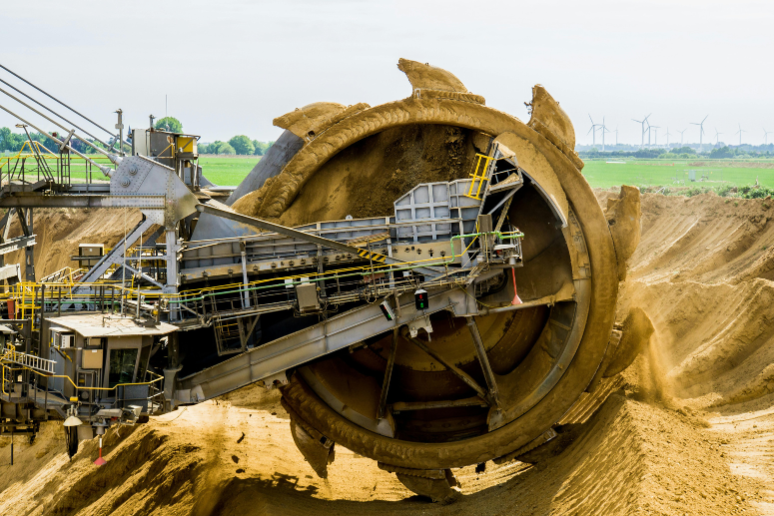
Process plants are the backbone of many industries, turning raw materials into essential products used worldwide. From refining crude oil to manufacturing pharmaceutical drugs, these plants enable large-scale production while maintaining quality and efficiency. They house complex systems of equipment designed to extract, refine, and process materials, ensuring that industries such as mining, petrochemicals, and food production can meet growing demands.
At their core, process plants transform raw resources into finished goods through a series of controlled operations. The process begins with raw material intake, followed by various stages of treatment, separation, and refinement. Advanced machinery such as distillation columns, reactors, and heat exchangers play a crucial role in ensuring efficiency. The integration of automation, real-time monitoring, and data analytics has further improved plant performance, reducing waste and enhancing productivity.
Modern process plants rely on cutting-edge technologies to maintain precision and efficiency. Tools such as 3D scanning allow for accurate plant modeling, minimizing errors in design and maintenance. LiDar mapping provides high-resolution spatial data that supports structural assessments and plant expansions. These advancements not only streamline operations but also enhance safety by identifying potential risks before they become critical issues.
The mining industry depends on process plants to extract valuable minerals from raw ore. These facilities incorporate separation systems such as flotation, gravity separation, and hydrocyclones to refine materials. Given the increasing complexity of mining projects, companies are investing in geospatial technology to optimize resource management and improve environmental sustainability.
Oil refineries and gas processing plants are essential for producing fuels, plastics, and chemicals. These facilities involve intricate refining processes, including distillation, cracking, and polymerization. Efficiency in these plants is paramount, and advanced engineering surveys help in designing and maintaining infrastructure to ensure optimal performance.
The food industry relies on process plants to transform raw ingredients into packaged goods ready for consumer markets. These facilities emphasize hygiene, precision, and consistency, ensuring food safety regulations are met while maintaining high production rates. Automation and data-driven monitoring have revolutionized food processing, reducing waste and improving product quality.
Producing medications and biologics requires stringent regulatory compliance and precision. Pharmaceutical plants operate under Good Manufacturing Practices (GMP) to ensure product safety. Technologies like AI-driven analytics and automated quality control systems play an integral role in modern pharmaceutical production, enhancing both efficiency and accuracy.
The efficiency of a process plant determines its profitability and environmental impact. Optimized workflow designs, predictive maintenance, and energy-efficient systems reduce costs while maximizing output. Sustainable practices such as closed-loop water recycling and renewable energy integration are becoming standard in many industries, reducing the ecological footprint of large-scale manufacturing operations.
Running a process plant comes with its share of challenges. Regulatory compliance demands continuous adaptation to evolving safety and environmental standards. Equipment maintenance requires careful planning to minimize downtime, and workforce training is essential to keep up with advancing technologies. Companies that stay ahead of these challenges benefit from increased operational longevity and competitive advantages in their respective industries.
The industrial landscape is evolving rapidly, with innovations shaping the future of process plants. The integration of artificial intelligence, machine learning, and IoT-driven monitoring systems is enhancing real-time decision-making. Automation is reducing reliance on manual labor, improving precision, and ensuring continuous plant operation. As technology advances, geomatics companies in South Africa are playing a key role in supporting industrial development through cutting-edge surveying and mapping solutions.
Process plants will continue to be at the heart of industrial progress, providing essential goods that power economies worldwide. By leveraging modern technologies and sustainable practices, companies can optimize efficiency, reduce waste, and ensure long-term success. Whether in mining, oil and gas, or pharmaceuticals, the future of process plants is one of innovation and continuous improvement.