

"When efficiency and precision matters"
www.africansurveyors.com
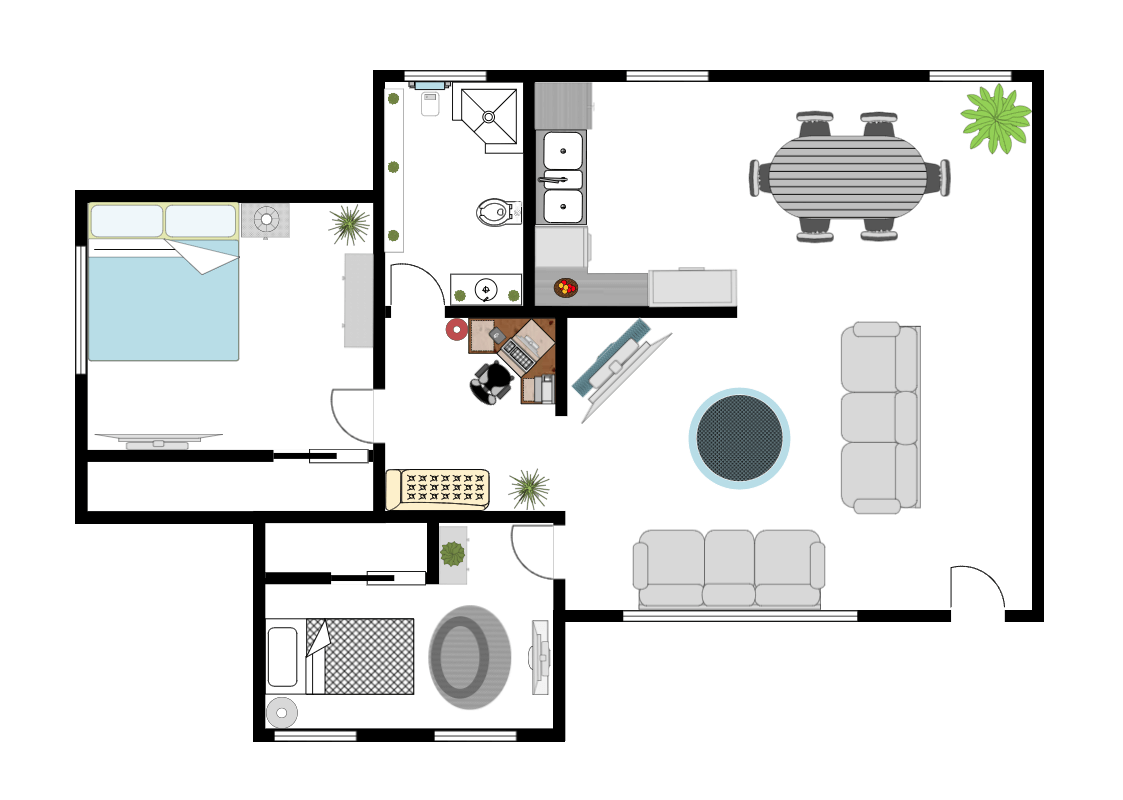
“Accuracy is the backbone of progress.” In a world where millimetres can make or break multi-million-rand builds, the margin for error is zero. That’s why LiDAR room mapping has emerged as a transformative force in modern surveying and engineering — bringing clarity, speed, and precision where traditional methods struggle to keep up. At African Consulting Surveyors, we’ve seen firsthand how this laser-based technology is reshaping the very foundation of how we map and model interior spaces.
LiDAR room mapping is the process of using laser-based sensing technology to scan and digitally reconstruct indoor environments with remarkable accuracy. The system emits pulses of light, then measures how long each one takes to return after bouncing off surfaces in the room. This time-of-flight data is then used to generate a dense 3D point cloud, which forms the basis of an accurate digital twin of the space.
LiDAR stands for Light Detection and Ranging — and it’s not new. But what is new is the level of portability, precision, and affordability now making it feasible for use in everything from high-rise construction projects to architectural renovations and smart building systems.
At its core, LiDAR room mapping is a rapid-fire distance calculator. A laser emitter sends out beams of light, often hundreds of thousands per second. The sensor records how long it takes for each beam to reflect off a surface and return. The result? A hyper-detailed model of every visible surface, from walls and ceilings to structural features and furnishings.
A modern LiDAR room mapping system includes three key components: the laser scanner itself, a GPS or inertial navigation system to record the scanner’s movement, and computing software that builds the 3D environment in real time or post-processing. In indoor environments, where satellite signals are often unavailable, accurate positioning targets for 3D scanning are used to establish reliable fixed reference points.
What once took hours of tape measures, levels, and manual sketches can now be done in minutes — with far greater precision. The data captured is not just a map, but a rich 3D dataset ready to be analysed, modelled, and used for design, renovation, and quality assurance.
From hospitals to heritage buildings, many indoor environments are too complex for traditional surveying tools to navigate efficiently. LiDAR room mapping doesn’t struggle with narrow corridors, cluttered rooms, or high ceilings. It simply captures everything it sees.
For engineers, LiDAR offers a dependable method of establishing as-built conditions and catching deviations before they escalate. It's invaluable for clash detection and coordination between trades. It also aligns seamlessly with the objectives of surveying in civil engineering, which include ensuring spatial accuracy, defining boundaries, and enabling safe and cost-effective construction.
In facilities management, a single LiDAR scan can provide a permanent digital record of a building's internal layout — essential for retrofits, HVAC design, and emergency planning.
In mining environments such as a gold ore processing plant, where structural integrity and safety are paramount, LiDAR helps engineers monitor deformation, plan expansions, and verify compliance — all without disrupting ongoing operations.
While traditional methods like total stations and laser tape still have their place, they fall short in both speed and completeness when scanning large or complex interiors. When comparing types of survey in civil engineering, LiDAR excels in topographic, engineering, and construction surveys, especially where detail and speed are non-negotiable.
What about photogrammetry? Though it’s cost-effective, photogrammetry struggles indoors due to lighting challenges and repetitive patterns. LiDAR, on the other hand, is light-agnostic and thrives even in low-light, texture-less environments.
Shiny materials can confuse laser returns. Skilled technicians mitigate this by adjusting the scan angle or applying matte spray. Even then, today's software is getting better at recognising and compensating for such anomalies.
LiDAR room mapping generates massive datasets. But with modern software and cloud platforms, processing, sharing, and integrating point clouds into BIM and CAD systems is faster than ever.
The future of this technology is compact, intelligent, and even more accessible. Integration with artificial intelligence will soon allow real-time object recognition and classification within scans. Meanwhile, LiDAR-equipped drones and handheld devices are opening up scanning opportunities in previously unreachable environments.
For professionals seeking smarter, faster, and more comprehensive interior mapping, LiDAR is no longer optional — it’s essential.
At African Consulting Surveyors, we believe that precision is power. With lidar room mapping, your project isn’t just measured — it’s understood, documented, and future-proofed. Whether you're designing a new commercial facility, retrofitting an old one, or mapping a gold ore processing plant or hospital ward, LiDAR gives you the clarity to act with confidence.