

"When efficiency and precision matters"
www.africansurveyors.com
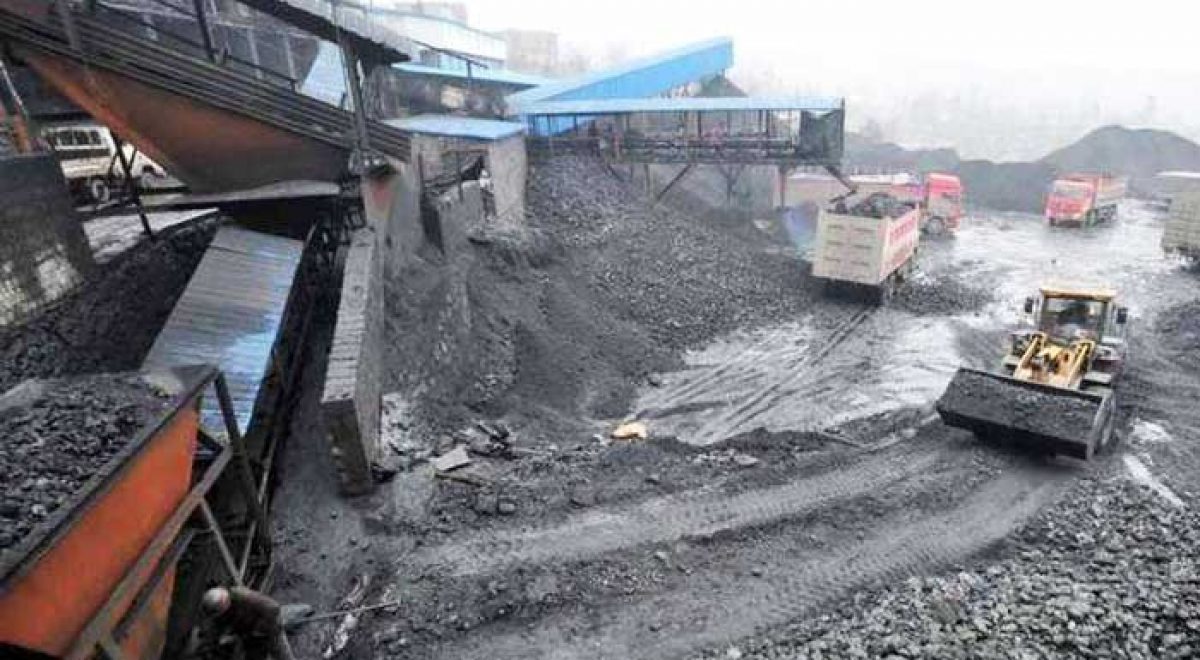
“Raw coal is not a product. It’s potential—waiting to be unlocked.”
Coal isn’t just extracted—it’s refined, prepared, and transformed. In fact, before it ever fuels a plant or powers an industry, it undergoes a detailed, highly technical journey through what’s known as the coal preparation plant process. This process is the silent backbone of coal's value chain. And at African Consulting Surveyors, we understand that knowing the ground—its composition, structure, and history—is just as critical as what's pulled from it.
Let’s take you inside the intricate world of coal preparation. It's not only about cleaning coal—it's about delivering quality, improving efficiency, and adhering to environmental best practices, all while harnessing cutting-edge technologies that intersect with modern surveying and engineering.
Coal straight from the mine isn’t ready for end use. It contains a mix of impurities like soil, rock, and other unwanted materials. That’s where the coal preparation plant process comes in. It ensures that only the most efficient, energy-rich fractions of coal are processed further and delivered to consumers. Whether it’s power stations, steel producers, or industrial plants, each demands specific coal quality.
The core goal? Remove impurities, reduce moisture, sort by size, and boost overall performance. Each stage plays a pivotal role in delivering a clean, consistent, and commercially viable product.
Raw coal is often bulky and uneven. It starts its journey through size reduction. Crushers—like hammer mills or rotary breakers—break down the coal into manageable chunks.
Next comes screening. This is where vibrating or wet screens sort the crushed coal into different size fractions. This step ensures that only particles of the right size move on to the next phase, where cleaning becomes far more effective. Larger pieces are sent back for further crushing.
Now the magic happens. Cleaning coal is more than rinsing it off—it’s a precise separation based on density.
In heavy-media separation, finely ground magnetite and water create a dense fluid that allows low-density coal to float and heavier, unwanted materials to sink. In water-only systems like spirals or jigs, coal is sorted by how it moves in water—light and clean on one side, dense and dirty on the other.
For ultra-fine particles? Froth flotation is the answer. Coal attaches to air bubbles and floats to the top, while mineral waste sinks. This step is especially crucial when extracting every last bit of usable coal from the raw mix.
After washing, coal holds on to water. And too much moisture reduces its energy content and transportation efficiency. Dewatering is achieved through centrifuges, vibrating screens, and thermal dryers. Thickening tanks help clarify water, allowing recycling for plant reuse. Managing this water is key—not just for performance, but for compliance with strict environmental standards.
Different customers need different blends. This is where storage silos and stockpiles come in. Coal is blended to meet specific calorific values, ash content levels, and size distributions. For power stations, uniform combustion is essential. For steel producers, coking quality matters most.
Blending also enables flexibility, allowing plants to adapt to varying raw coal sources without sacrificing product consistency.
At African Consulting Surveyors, our role doesn’t end with mapping mine boundaries. We bridge surveying excellence with industrial transformation.
Before construction or excavation, it's vital to know what's beneath your feet. GPR survey services use electromagnetic waves to detect underground utilities, voids, or buried structures. In coal plants, this means safer builds, efficient layouts, and no costly surprises.
The geological survey in civil engineering is essential for coal prep facilities. From rock strata analysis to groundwater flow, it informs structural stability and plant placement. The more we understand the ground, the better we engineer above it.
A Property Survey ensures that coal preparation infrastructure is sited correctly. Whether you’re laying pipelines, building silos, or erecting conveyors, you need certainty about what land you’re working with—and who it belongs to.
From drone mapping to GIS modeling, geospatial technology jobs are reshaping how we manage mines and preparation plants. These roles bring innovation to traditional industries—optimising layouts, monitoring environmental impacts, and digitising entire workflows.
The benefits of 3D scanning in coal prep are enormous. It allows for precise facility modelling, condition assessment of machinery, and reverse engineering of parts. You can plan expansions, detect flaws, and simulate upgrades—all without halting operations.
Coal preparation plants must meet strict environmental regulations. That includes proper tailings management, water recycling systems, and air quality controls. A well-run coal preparation plant process doesn’t just improve product—it protects communities, ecosystems, and the long-term viability of the industry.
The coal preparation plant process is a testament to modern engineering, environmental science, and digital surveying converging in one space. It’s a story of transformation—from raw material to ready fuel. At African Consulting Surveyors, we believe this process, when combined with smart data and advanced technology, holds the key to a safer, more efficient, and sustainable future for mining.
Coal may be ancient—but the way we prepare it is cutting-edge.