

"When efficiency and precision matters"
www.africansurveyors.com
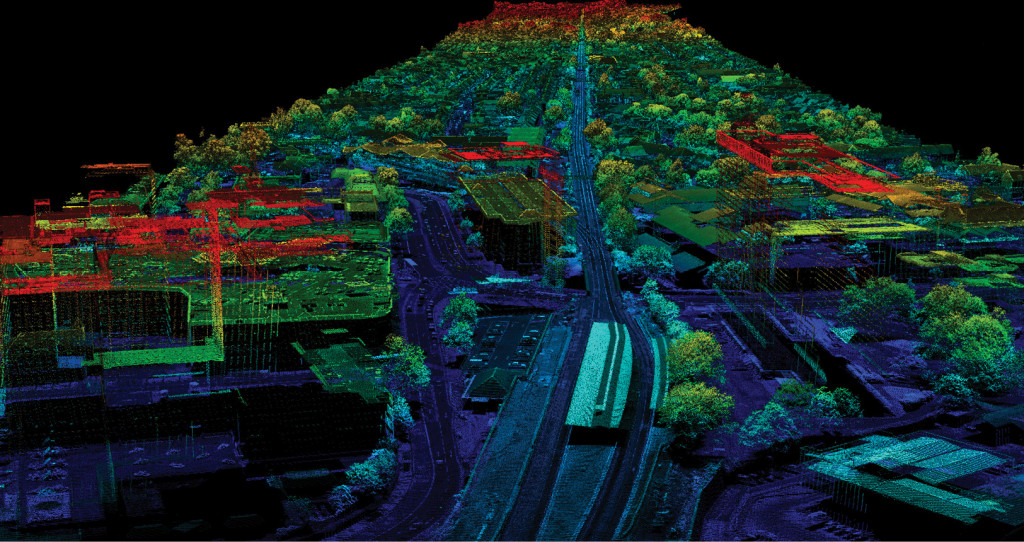
A short intro defining online lidar maps as digital terrain models (DEMs/DSMs) crafted from vast point clouds of laser pulses and served via web platforms like USGS’s LidarExplorer.
Explain how airborne or drone-mounted LiDAR produces point clouds, which are processed into DEMs with centimeter-level accuracy, and then delivered in interactive viewers.
Highlight real-world use cases from emergency response to urban planning.
Explain how agencies use elevation data for flood modelling, shoreline changes, landslide zones.
Show how LiDAR reveals hidden ruins and measures tree canopy and biomass.
Dive into how geospatial technology and the role of location in science are elevated by accessing high-resolution terrain via online portals like NOAA’s Data Access Viewer and integrating them into geospatial analyses.
Describe how surveyors integrate online LiDAR with 3d scanning engineering, auto drone LiDAR services and field-collected scans to enhance accuracy and efficiency.
Explain how industrial mapping—including process plant technology corridors and site elevations—uses online LiDAR for planning pipelines, drainage, and infrastructure layout.
Show how 3d modelling in construction is becoming more grounded when architects overlay BIM models on DEMs from online LiDAR, catching clashes early in design phases.
Step-by-step guidance on selecting data, accessing maps, and tips for best use.
Explain choosing resolution, pairing with GIS, verifying dates, handling data refresh, and combining it with photogrammetry.
Discuss coverage gaps—only ~5 % mapped globally and costs. Highlight trends: shrinking sensors, real-time mapping, wider access