

"When efficiency and precision matters"
www.africansurveyors.com
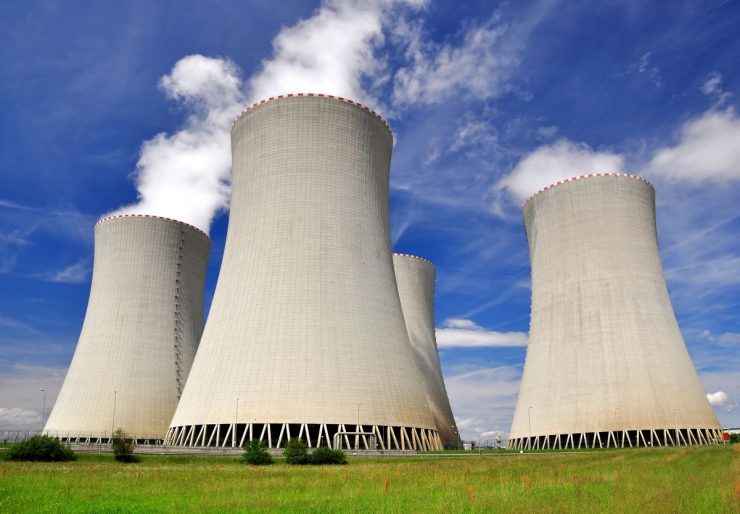
“Electricity is the lifeblood of modern civilization, and behind every flick of a switch lies a powerful and intricate system we call the power plant process.”
Today’s world demands energy faster, cleaner, and more reliably than ever before. Yet, few people stop to think about what actually happens inside a power plant. The power plant process is a masterclass in engineering, energy transformation, and precision — and understanding it is crucial if we are serious about building a smarter, more sustainable future.
At African Consulting Surveyors, we see first-hand how emerging technologies like geospatial technology in agriculture, 3D scanning tools, lidar mapping drones, and the expertise of land surveyors and engineering and surveying teams shape and optimize this process. Let's dive into how it all fits together!
The power plant process is the journey of transforming various energy sources — like coal, natural gas, nuclear material, solar radiation, or wind — into usable electrical energy. It's not as simple as flipping a switch; it is a meticulously choreographed operation.
Essentially, energy from a fuel source is used to generate heat. This heat produces steam, and the steam spins a turbine connected to a generator. Through electromagnetic induction, the generator then produces electricity. It's an elegant, powerful dance between physics and engineering.
Coal, oil, and gas-fired plants dominate many energy landscapes. In these plants, fuel combustion creates intense heat. Boilers transform this heat into steam, propelling turbines into motion. While effective, these processes are heavy on carbon emissions, driving global shifts toward greener alternatives.
In nuclear plants, the process begins with controlled nuclear fission. Atoms split apart, releasing tremendous amounts of heat, which turns water into steam. The steam, in turn, spins turbines to generate electricity. Nuclear facilities are efficient but require serious safeguards.
Solar panels, wind farms, hydroelectric dams — they each harness natural forces without burning fuels. Solar and wind power plants skip the steam stage altogether, converting sunlight and wind kinetic energy directly into electricity. Hydropower, however, relies on the movement of water to spin turbines, closely mirroring traditional methods but with vastly reduced emissions.
Whether it's coal being crushed, uranium being enriched, or turbines readying to catch the wind, the process always starts with preparing the energy source. Proper handling ensures optimal energy extraction.
For thermal plants, heat is everything. Burning fuel or initiating fission heats water into steam at extraordinary pressures, setting the stage for massive energy movement.
Turbines, spinning at incredible speeds, rotate generators. Inside these generators, electromagnetic fields create electric currents, birthing the electricity that powers cities.
Once generated, electricity must be safely and efficiently transmitted across vast distances. Transformers step up the voltage, and an intricate network of substations and power lines distribute it to homes and industries.
Modern power generation isn't standing still — it's evolving at lightning speed. Renewable plants using solar arrays and wind turbines simplify the power plant process by eliminating the need for fuel combustion and complex boiler systems.
For example, concentrated solar power plants use massive mirrored fields to focus sunlight, heating a fluid to drive a turbine. Wind farms harness kinetic energy directly from the air. Even tidal forces are being explored, producing highly predictable and sustainable flows of electricity.
These new systems depend heavily on 3D scanning tools and lidar mapping drones during construction to ensure perfect alignment and efficiency. Without these innovations, large-scale renewable energy projects would not be nearly as successful.
At African Consulting Surveyors, precision is everything. From initial site selection to detailed construction phases, technologies like geospatial technology in agriculture, 3D scanning tools, and lidar mapping drones are crucial.
Land surveyors and engineering and surveying experts make sure every pipeline, every turbine, and every substation is exactly where it needs to be. Accurate land mapping and environmental data collection ensure minimal impact and maximum efficiency. Without these technologies, power plant construction and maintenance would be slower, riskier, and costlier.
The future is clear: cleaner, more efficient, and smarter energy production. Traditional fossil fuel plants are either upgrading to combined-cycle systems — using both gas and steam turbines to maximize output — or transitioning to cleaner fuels. Renewable power plants are rapidly expanding, reshaping the energy map.
Efficient plant operation now demands a perfect marriage of technology and strategy. Whether it’s optimizing turbine blade angles using lidar mapping drones, or designing transmission grids based on 3D scanning tool models, today’s power generation is a high-tech, high-stakes endeavor.
Understanding the power plant process means appreciating the extraordinary journey from raw energy to the electricity lighting up your world. Every turbine spin, every conductor pulse, is the result of complex systems engineered with care and expertise.
At African Consulting Surveyors, we are proud to be part of that journey — helping design, measure, and optimize every stage. As technologies like geospatial technology in agriculture and engineering and surveying continue to evolve, so too will the power plants of tomorrow.
And the best part? The future of energy is only getting brighter!